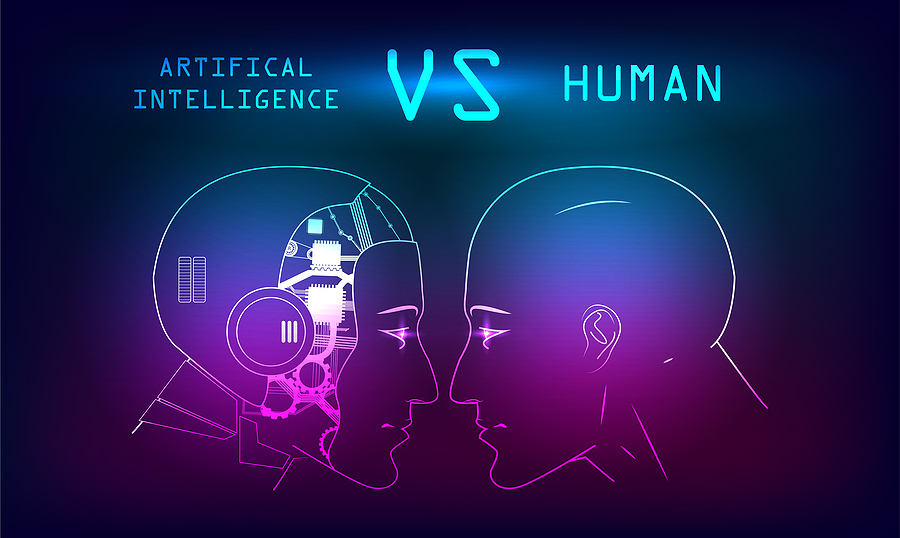
Artificial intelligence is transforming the workplace—helping us analyze information, automate tasks, generate content, and work more efficiently. But as AI becomes more capable, something else is becoming increasingly valuable: the skills that make us uniquely human.
AI can provide information and recommendations. It cannot fully replace our ability to build trust, navigate relationships, coach others, exercise judgment, or understand the nuances behind difficult workplace decisions.
For leaders, this creates an important opportunity.
Preparing employees for the future isn’t only about teaching them how to use AI. We must also strengthen the human capabilities they will need to work effectively alongside it.
Emotional intelligence helps leaders understand people, manage reactions, demonstrate empathy, and navigate challenging situations.
Communication and coaching allow leaders to listen, ask better questions, create clarity, and develop employees rather than simply provide answers.
Critical thinking and professional judgment become even more important when AI can generate answers instantly. Employees must know how to question recommendations, recognize bias, consider context, and determine whether an answer actually makes sense.
Adaptability enables people to continually learn, unlearn, and adjust as technology and workplace expectations evolve.
HR has an opportunity to lead this shift. As we invest in AI literacy, we should equally invest in leadership development, coaching, communication, critical thinking, and judgment.
The future isn’t human vs. AI. It’s about combining the strengths of both.
Use AI for speed, analysis, and efficiency. Develop people for connection, curiosity, empathy, judgment, and leadership.
Technology may change how we work. Our human advantage will determine how well we lead.
FAQS
What leadership skills can AI not replace?
AI can assist with analysis, information, and efficiency, but human leadership still relies heavily on judgment, empathy, trust-building, communication, coaching, adaptability, and understanding context.
What skills should leaders develop as AI becomes more common in the workplace?
Leaders should continue developing emotional intelligence, critical thinking, communication, coaching, adaptability, and professional judgment. These skills help leaders evaluate AI-generated information and make decisions that account for people and context.
Why is emotional intelligence important in an AI-powered workplace?
Emotional intelligence helps leaders understand reactions, navigate difficult conversations, demonstrate empathy, and build relationships. These are areas where human awareness and judgment remain especially important.
Can leadership development help employees work better with AI?
Leadership development can help employees strengthen the human capabilities they need alongside AI, including judgment, communication, critical thinking, coaching, and adaptability.